Related Posts
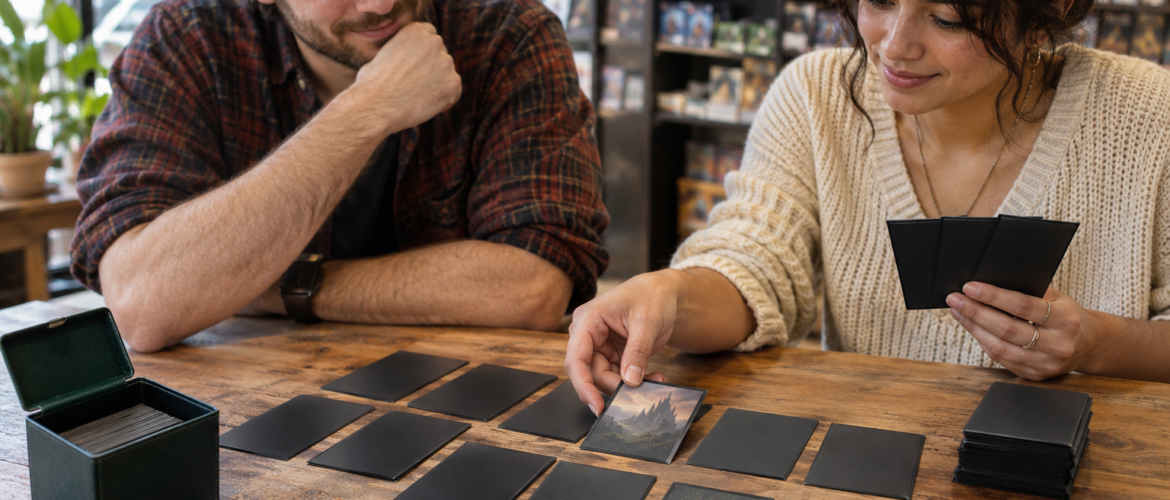
A new player searching for yugioh cards nz might already have a favourite monster in mind and be wondering what else belongs in the deck. The hard part is deciding which cards will help that monster see play and which ones simply look good in a binder. Australian players browsing yugioh au face the same choice, especially when a ready-made deck, individual cards and booster packs all compete for the same budget.
Give the deck a plan it can repeat
A favourite card is a good starting point. The next step is working out what needs to happen before it can make a difference in a game. If that card is a monster a player wants to summon regularly, the rest of the deck can help find it, set up the cards needed to summon it or keep it on the field long enough to be useful.
A ready-made deck gives a beginner a group of cards to try together straight away. Before making changes, it helps to play a few games with the original list and notice which cards are useful early and which only come into play once the deck is set up. That makes the first round of upgrades easier to judge because each new card has a job to do.
For a player building from a collection, sorting cards by role can reveal gaps. One pile might contain ways to get a turn started, another might hold cards that help once a monster is on the field, and a third might contain cards for responding to an opponent. The piles can overlap. The exercise is about spotting what the deck has plenty of and what it still needs.
Spend the budget on cards with a clear role
A useful shopping list grows out of what happens in practice. If the deck keeps opening with cards it can only use later, an early play is a better purchase than another card that needs the same setup. If one missing card keeps a promising combination from working, buying that card individually makes the cost clear before committing.
Booster packs can be a fun way to discover cards and build a collection. For a player working towards a particular list, it helps to set aside money for the cards needed to finish the deck first. A few sleeves and a deck box can also be worth allowing for, especially if the deck is going to travel in a backpack to regular games.
Players buying second-hand can check the condition against the asking price and ask for a clear photo of the front and back if the listing is vague. Someone buying a card to play may be happy with a little edge wear. A collector looking for a particular printing may care more about the set details and the state of the surface. Knowing which job the purchase is meant to do makes it easier to decide what is worth paying for.
Test it before making another round of changes
Drawing a few opening hands at home can show whether the deck routinely gives a player something useful to do early. Games against someone else reveal more. An opponent can interrupt a familiar sequence or present a situation that the deck rarely sees in solo practice. After each game, a quick note about one card that helped and one that sat unused is usually enough to guide the next change.
Changing a few cards at a time makes it easier to see what improved. If an early play becomes more reliable, the new cards have a clear reason to stay. If the deck starts well but struggles several turns later, that points to a different adjustment. A workplace-sized pile of spare cards can wait while the player tries the revised list against a couple of opponents.
A first deck is easier to build when new players start with a clear plan, buy the cards they need and leave room to make changes after a few games.



The Latest Trends in Innovative Fit-Out Designs
Comments Off on The Latest Trends in Innovative Fit-Out Designs

How I Earned $5,000 From Grocery Shopping & How You Can Too
Comments Off on How I Earned $5,000 From Grocery Shopping & How You Can Too




Discover the 3 Best Luxury Getaways in Victoria
Comments Off on Discover the 3 Best Luxury Getaways in Victoria

How To Make Your Bathroom Feel Like An Oasis
Comments Off on How To Make Your Bathroom Feel Like An Oasis



Benefits Of Using A Real Estate Agent To Buy A Home
Comments Off on Benefits Of Using A Real Estate Agent To Buy A Home